Hunger Facts and Figures

...

Hunger is not always visible, but even when you can’t see it, hunger is widespread. From developing countries to the United States, children and families don’t always have enough to eat. Knowing the hunger facts will help us work towards a solution together.

Food Insecure Households

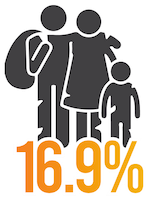
For many families in the U.S., the past several years have been difficult. Higher food prices, economic instability, and other factors have made providing for a family even harder. 1 in 8 households in the U.S. is food insecure. That means these families don’t have enough money or resources to buy enough food for everyone in their household.

As recently as 2022, 7.3 million children lived in food insecure households.

...
...

SNAP Benefits

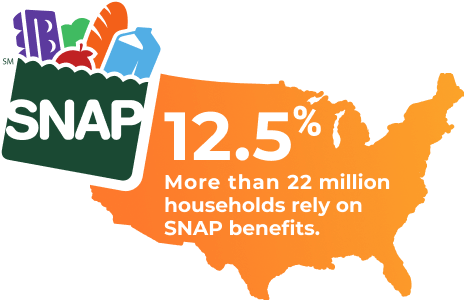
More than 22 million U.S. households use SNAP benefits to help with food costs, as of April 2023. Sometimes known as “food stamps,” SNAP is the federal Supplemental Nutrition Assistance Program. People who receive SNAP benefits can use it to buy groceries, seeds, and plants for food. SNAP cannot be used to purchase hot food or household items like cleaning supplies, vitamins, or diapers.

Approximately 92% of SNAP benefits go to households with incomes at or below the poverty line.

With recent cuts to the program and higher costs at the grocery store, the assistance doesn’t go very far. have had less SNAP benefits since March 2023. Families with kids have lost $223 per month on average..

Children in School

Two federal nutrition programs help children during the school year have free or reduced-price meals. These programs can help reduce food insecurity, obesity rates and poor health. It also helps struggling parents stretch their budget further.

The School Breakfast Program served over 15.5 million children a meal in the 2021-2022 school year. Breakfast helps all children be prepared for what’s to come in their school day.

On an average school day, more than 30 million children receive meals from the National School Lunch Program Meals served through this program meet federal nutrition standards, which require more whole grains, fruits and vegetables.